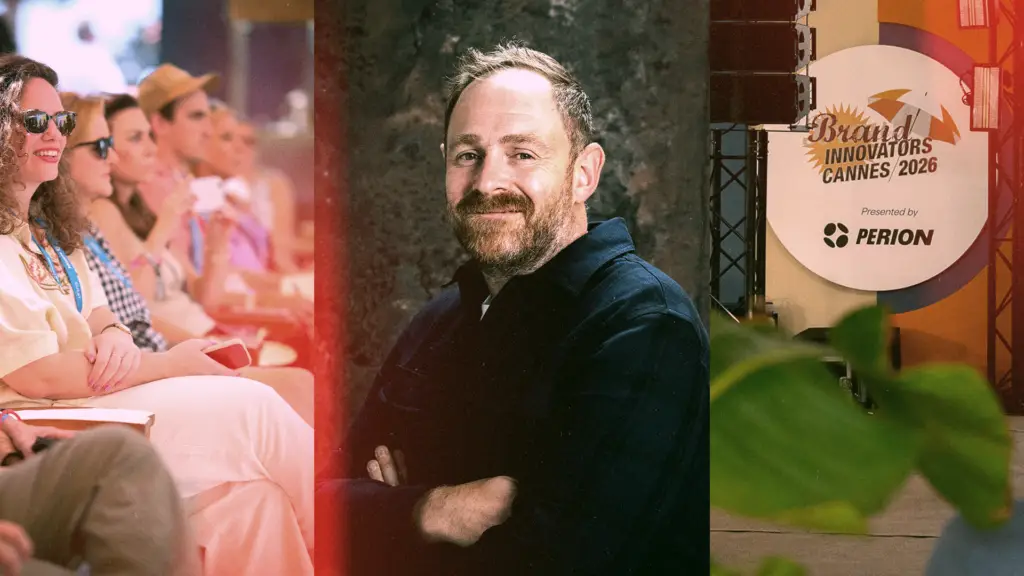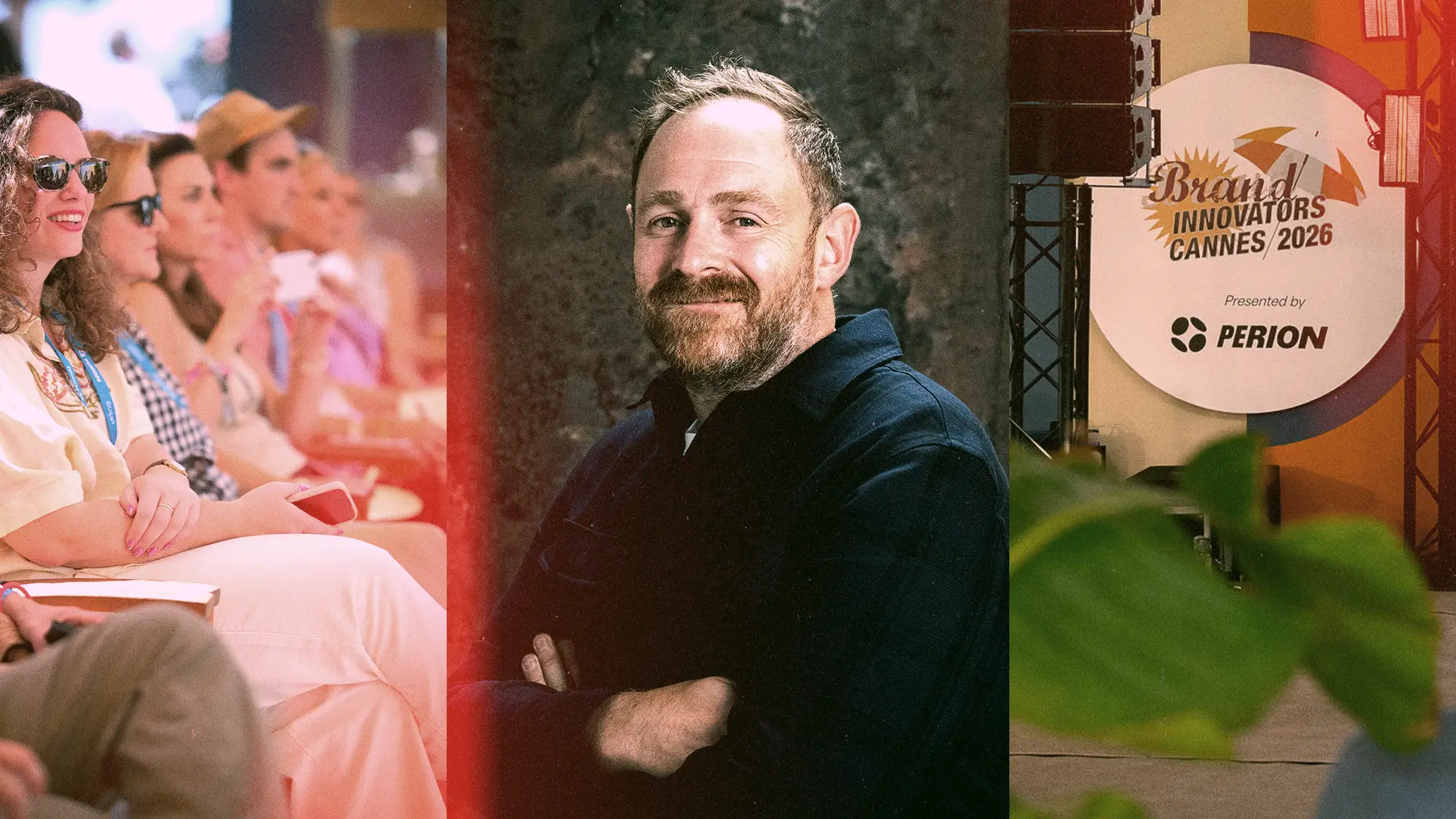
I returned to the Cannes Lions International Festival of Creativity for the first time in a number of years last week, and what struck me most was the evolution and scale of the coming together of the sharpest minds and leading talent from the global advertising, marketing and creative industries. Bigger, more sophisticated, broader topics, whilst maintaining the feeling that this really is the one week of the year where creativity is rightly spotlighted and celebrated.
AI, of course, took centre stage, literally, on various panel discussions and fireside chats, but also through the sheer number of AI entrepreneurs and representatives from established AI businesses alike pounding the pavements of La Croisette. The general consensus was that AI is a powerful tool that will make the humans who work in the creative space better. A sense of calm and optimism seems to have set in amongst the leading figures in the industry that AI will bolster the power of human potential rather than replace us. That represents a notable shift and a theme that spilled over from the festival sites to the bars and restaurants across town.
Sport also took centre stage, and rightly so. Formula 1 was omnipresent, a nod to the place the sport now holds in mainstream marketing and culture, as well as a reflection of how sport in general is now firmly at the heart of some of the best work being produced across the industry. It wasn’t just the F1 car sitting proudly outside the Palais, but drivers engaging audiences in panel discussions, senior commercial executives looking for business opportunities, and no shortage of CMOs and brand leaders exploring what a partnership in the world of F1 could do for their business. The conversations I had with some of these individuals were about when and how they entered F1, not if. Right now, it’s arguably the most compelling commercial property in global sport.
The World Cup presented an opportunity for lively and healthy debate. Not just among those watching matches in the bars that line La Croisette, discussing England’s chances of going deep or the early exits of others, but the sheer scale of the tournament’s new format and what that means for brands. More matches mean more value, but there was also a sense that the lack of jeopardy in the group stage left the tournament feeling a little flat at times and from a sports marketer’s perspective, emotionally charged and invested fans have always been, and will always be, the golden ticket. It was also impossible to ignore the frequency of discussion around Scottish and Norwegian fans embracing the true spirit of the World Cup, regardless of the relative successes and failures of their teams. The stories that traveled farthest were those of fans embracing all that a live World Cup experience on US soil has to offer, and not of the football itself. The discussion in Cannes was centered on how seismic this trend is in terms of sport’s place in culture – the beat of a drum, escalator rowing, Boston’s beer-less bars, the Scots cleaning up after themselves everywhere they went. These were the stories that were flowing more than team selections or managerial tactics. Fascinating stuff.
Lastly, and with genuine meaning, I felt privileged to be there. It was a week spent catching up with old friends, making new ones, and celebrating all that is great about our industry. The heat and swollen feet aside, what a week. I can’t wait until next year.
Ross Arnold
Head of Europe, rEvolution