Ruminating on four days at SXSW, one theme kept resurfacing across conversations with marketers, creators and brand leaders: the rules of brand relevance are changing. In sports marketing specifically, where culture, community and competition intersect daily, these changes are happening at a breakneck pace.
Four insights, when viewed through the lens of sports marketing, outline a possible shift in the blueprint for where the industry is heading.
1. Bold Marketing Builds Attention. Trust Builds Longevity.
Sports has always rewarded boldness.
From Red Bull to Nike to Under Amour, the brands that break through in sports rarely play it safe.
But SXSW reinforced an important tension: boldness without trust is just spectacle. Sports fans are amongst the most sophisticated audiences in marketing. They immediately detect when a brand is inauthentic rather than adding to the experience of the sport or the community around it.
The brands that succeed balance two things:
• Bold storytelling that sparks emotion and conversation
• Consistent credibility with the fan base
This is why the most successful sports partnerships feel authentic rather than opportunistic. They’re not just a campaign, they’re earned, sustained commitments. In sports marketing, trust is the license that allows brands to be bold without getting rejected by the very audience they’re trying to reach.
And without that trust, even the boldest work doesn’t just fall flat, it backfires.
2. Brands Don’t Engage with Culture, They Exist Within It
Another SXSW takeaway: you can’t parachute into culture and expect to belong.
Showing up for a moment doesn’t make you part of it. Culture is built over time through participation, consistency, and credibility.
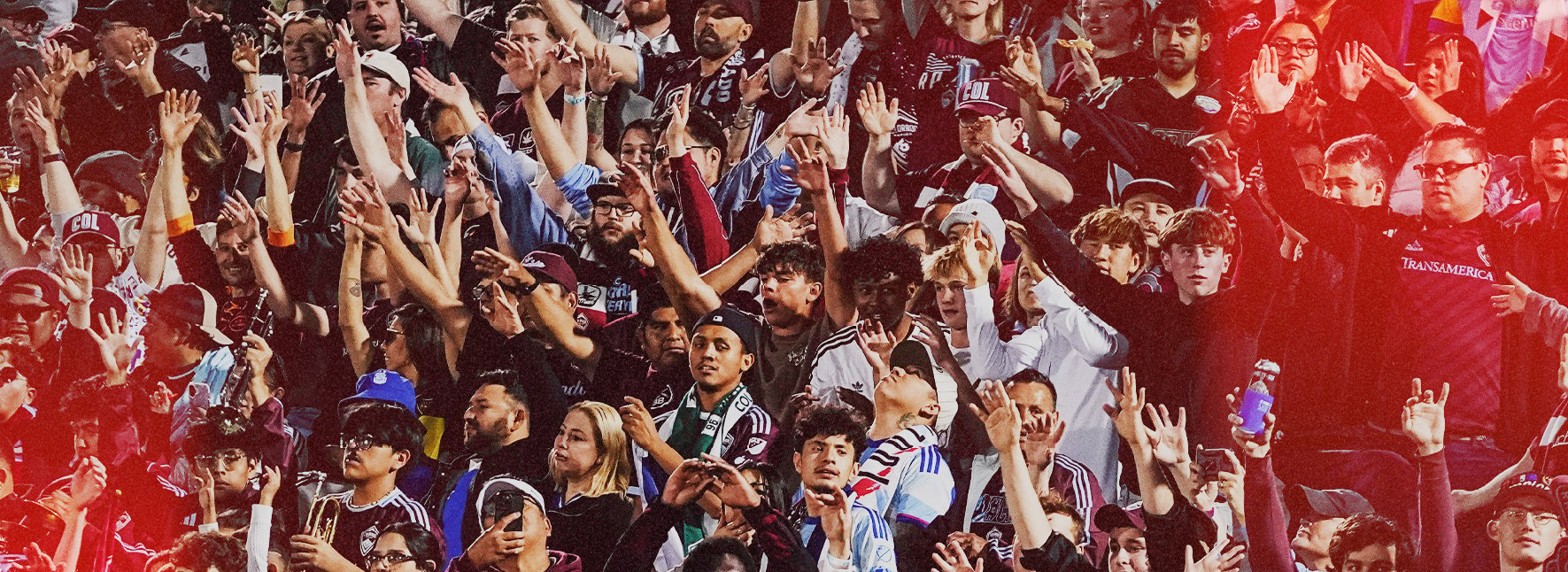
That’s especially true in sports, where communities, identities, and traditions run deep around teams and athletes.
Fans aren’t looking for brands to participate in “a moment.” They’re looking for brands that understand the culture that already exists.
Important to remember though, contrary to popular belief, brands don’t create culture. Fans, Athletes and Communities do. The role of a brand in sports marketing is to respect it, contribute to it, and amplify it without trying to take center stage.
The brands that get this right don’t feel like sponsors, they feel like they’ve always been part of the story.
3. The Sports Marketing Table Just Got Bigger
At traditional agencies, sports marketing partnerships are driven by client, strategy, account and creative voices.
But SXSW made it clear that the table has expanded and there are two new seats at the table: talent & creators.
And in sports, those roles are often embodied by athletes themselves.
Athletes today are not just endorsers, they are creators, media platforms and cultural voices. Fans follow athletes for their personalities, perspectives and storytelling as much as for their performance.
That shift means the most effective sports marketing strategies aren’t built just around controlled brand messaging. They’re co-created with voices who already hold the fan’s trust.
In many cases, the brand is no longer the loudest voice in the room, and that’s exactly why the work resonates. The smartest brands aren’t trying to control the narrative; they’re choosing the right people to help tell it.
4. Cultural Relevance Means Nothing Without Value
Perhaps the most important lesson from SXSW was also the simplest.
Yes, brands can be:
• Bold
• Culturally relevant
• Fast-moving
• Socially trending
But if those efforts don’t add value to the audience, they’re just noise.
We’ve never had more tools to participate in cultural moments, from real-time social content to creator collaborations to immersive fan experiences. But fans are incredibly selective about what they let into their world.
The brands that break through do one thing consistently: they make the fan experience better.
Whether that’s:
• Better storytelling
• Access to athletes
• Exclusive experiences
• Community impact
• Content that entertains
If the fan doesn’t benefit, the activation becomes instantly forgettable.
In sports marketing today, value is the only filter that actually matters for relevance.
And relevance isn’t claimed; it’s earned through utility.
SXSW Takeaway: The Future of Sports Marketing is Evolving
Looking at these disparate insights together suggests that perhaps sports marking is moving toward an evolved model.
Contrary to the chatter, the brands that succeed won’t just chase cultural moments, they’ll understand that sports already IS culture. And their role isn’t to interrupt, it’s to contribute to it in ways that fans genuinely appreciate.
The shift isn’t about doing more, it’s about doing what actually earns a place in the experience.
As we all know, sports fans aren’t passive viewers. They decide what earns a place and what gets ignored. And increasingly, they’re the ones defining the rules brands must follow.